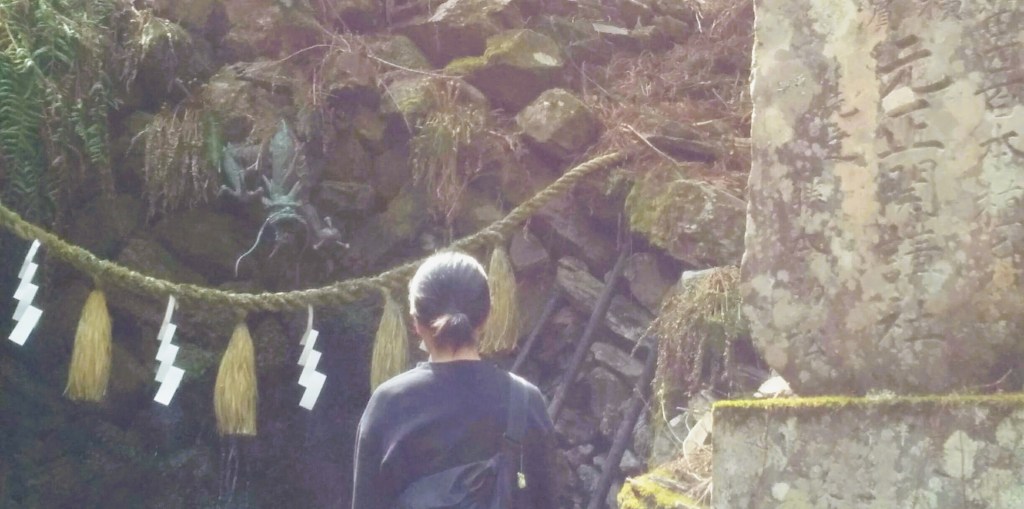
The following are things to be aware of when hiking the Ontake Kodo. Much is either common sense or refers to typical trekking conditions found throughout much of Japan. With a bit of awareness, Mt. Ontake is as safe an outdoor adventure as any.
- Trail conditions: While most of the Ontake Pilgrimage trail is in good shape, some stretches may be minimally maintained. Portions can get waterlogged or muddy after it rains.
- Watch out for falling (or fallen) rocks or branches along the trail.
- Roads: There are a few sections where the Ontake Kodo joins with the modern road. When there is no sidewalk or shoulder, always walk in a single file along the edge of the road. There is usually very little traffic. Still, stay aware and be sure to walk on the side where you are most visible to oncoming traffic. Always cross the street quickly and with great care.
- Rocks and stone steps can be super slippery when wet. Be especially careful around the waterfalls, and doubly careful after heavy rains when the whole area around the falls will be damp from spray.
- Drinking water: Unless you’re using a filter, bring drinking water with you or fill up with the tested spring water flowing into the basin at the top of the stairs at Satomiya Shrine.
- Weather: Avoid hiking in heavy rain or strong wind, or in the days immediately following large storms. Typhoons are of course not a great time to be out hiking. If in doubt, confirm local conditions with the Otaki tourist office or your accommodation before setting out.
- Earthquakes: In the unlikely event of an earthquake while on the trail, move away from cliff faces and steep slopes where a rockfall could occur. Seek the most open ground available. If none is nearby, quickly move to the downhill side of a large, well-rooted tree or other natural formation and make yourself small while protecting your head and neck.
- Bears: Asiatic black bears inhabit Mt. Ontake’s forests and are active during the hiking season. While they can be aggressive if surprised, take heart—they have absolutely no interest in you and will want to stay as far away as possible once they know you’re there. In other words, avoiding them is to your great advantage. See the Bears on Mt. Ontake section below.
- Boars: When you see torn up areas along the trails, this is very likely the work of wild boars (inoshishi) digging for food. Mostly nocturnal, wild boar encounters are rare, and attacks virtually unheard of. You can avoid boars the same way you avoid bears.
- Hornets: Giant hornets (suzumebachi, lit. sparrow hornets (!)) are active during the warmer periods of the pilgrimage season. They’re rare along the trail and generally won’t bother you unless provoked. If one happens to stray close to you, don’t swat at it. Just remain calm and it’ll almost certainly soon be on its way.
- Snakes: Two venomous snake species are present on Mt. Ontake, but the chances of encountering either are extremely rare. Even so, avoid hiking in sandals, and as always on the mountain, watch where you step.
- Emergency: Dial 119 (fire/rescue). English is supported through interpreters, but this takes time. Request an interpreter by saying “Tsūyaku wo onegai shimasu” (通訳をお願いします) or use translation apps for faster communication. Cell coverage may be spotty along inner trail sections near the waterfalls.
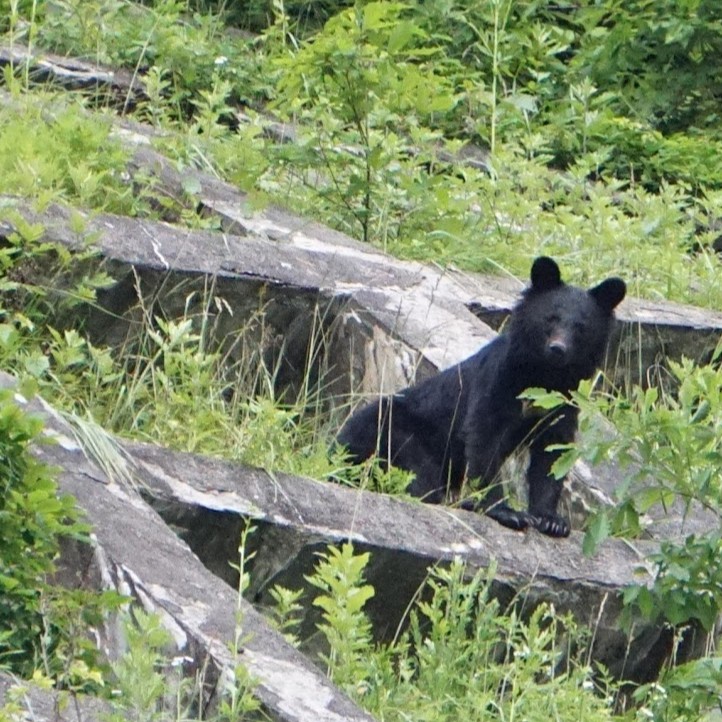
Bears on Mt. Ontake
Though Asiatic black bears share Mt. Ontake with its myriad other beings, encounters are rare. Though I’ve seen bears elsewhere in Otaki, in the years I’ve hiked the pilgrimage trail, I have yet to see one. This doesn’t mean there are none around. It just means you need to let them know you’re there. A few practical considerations:
Prevention: Bears are most active at dawn and dusk. Be sure to take extra caution if hiking at these times, or avoid it all together.
Make some noise: Bear bells are popular in Japan, but their effectiveness is an open question. The US National Park Service says, “Bears won’t hear the bells until you’re too close. Yelling, clapping, and talking are more effective ways of alerting a bear to your presence.” It’s especially a good idea to do this near streams where sound doesn’t carry well and when approaching blind spots on the trail.
Traveling in a group and talking will also help.
When you find temple-like bells at sacred spots or the occasional golden bell specifically for bears, you can ring these too (like travelers do on the Nakasendo).
If your accommodation offers you a bear bell, by all means use it if you’d like. They are also available for purchase from the Kiso Ontake Tourism office across from Kiso-Fukushima Station.
If you encounter a bear: Stay calm, back away slowly, and quietly leave the area. Don’t run.
 Otaki Experience